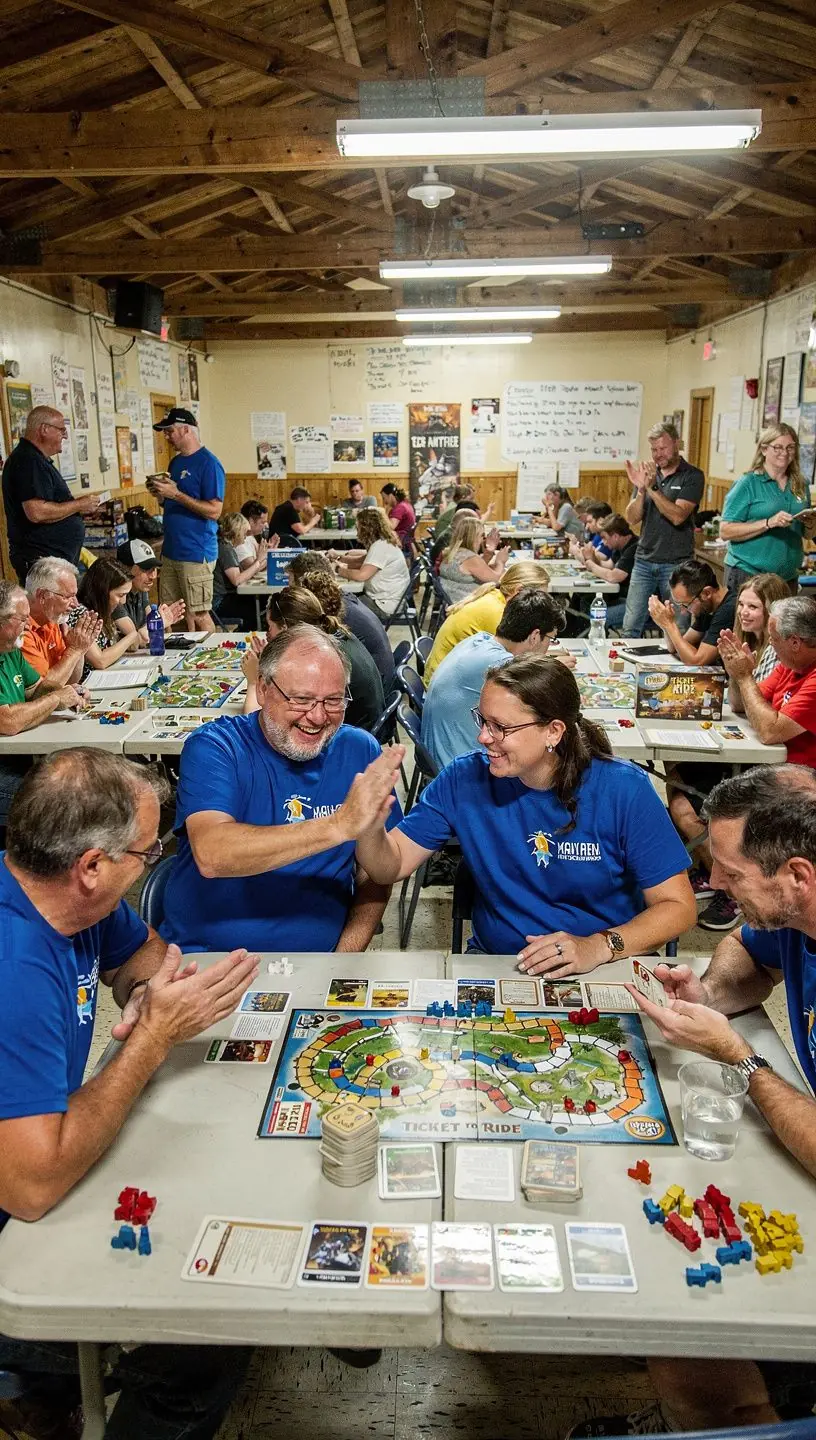
Strategies for Engaging Tabletop Game Sessions
In the world of adult board gaming, creating engaging sessions is essential for fostering a vibrant community. This article explores effective strategies that can enhance participation and enjoyment during your tabletop game club meetings.
Understanding the Importance of Engagement
Engagement is vital for any successful USA board game club. Studies show that when players feel involved and invested in the session, their overall enjoyment increases significantly. According to experts in community gaming, a well-structured session can lead to higher levels of participation and satisfaction.

"Engagement is not just about having fun; it's about creating an atmosphere where players feel valued and included."
Key Strategies for Enhanced Engagement
- Encourage Player Input: Allowing players to voice their opinions about game choices and house rules can foster a sense of ownership and investment in the game. This practice not only boosts morale but also enhances interaction among participants.
- Vary Game Formats: Incorporating different game formats—such as cooperative, competitive, and team-based games—can attract diverse players. Research indicates that variability in game styles can maintain interest and cater to different preferences within the adult gaming community.
- Utilize a Game Meeting Tracker: Keeping track of upcoming board game meetups and participant preferences can help in planning future sessions. This method helps organizers tailor events based on previous attendance and player feedback, leading to a more personalized experience.
- Host Themed Nights: Introducing themes based on popular genres or holidays can make sessions more exciting and give players a reason to dress up or bring themed snacks. This strategy has been shown to create memorable experiences, increasing the likelihood of return visits.
- Incorporate Social Elements: Beyond just playing games, integrating social activities—like discussions about game strategies and player experiences—can enhance camaraderie. Many users report that social interactions significantly improve their gaming experience.
Building a Supportive Community
Creating a welcoming environment is crucial for any tabletop club updates. A supportive atmosphere encourages new players to join and feel comfortable. To foster this environment, consider implementing mentorship programs where experienced players guide newcomers through their first sessions.
Feedback and Continuous Improvement
Regularly soliciting feedback from participants can help identify areas for improvement. This process typically involves asking players about their experiences after sessions. Many clubs find that implementing minor changes based on player feedback can lead to increased satisfaction and participation over time.
Conclusion
Engaging tabletop game sessions require thoughtful planning and a focus on player involvement. By applying the strategies outlined above, your USA tabletop clubs can enhance the gaming experience for all members. Remember, fostering a lively community takes time, dedication, and a willingness to adapt, but the results can lead to a thriving and enjoyable board game environment.